

Low VOC Paint Review: Is It Worth Choosing?
A freshly painted room should look clean and feel ready to use, not leave you opening every window for days. That is the practical reason many homeowners and property managers begin with a low VOC paint review. They want lower odour, a more comfortable painting process, and a finish that still stands up to everyday life.
Low VOC paint can be an excellent choice for bedrooms, living areas, offices, childcare settings and occupied commercial spaces. However, the label alone does not guarantee better coverage, durability or a healthier result. The quality of the product, the preparation underneath it, ventilation during the job and the application method all matter.
What low VOC paint actually means
VOC stands for volatile organic compounds. These are chemicals that can be released into the air as paint dries and cures. Traditional paints can produce a noticeable paint smell because of these emissions. Low VOC paints are formulated to reduce them, while zero VOC products aim for even lower levels.
There is an important distinction here: low VOC does not always mean completely free from emissions or odour. Tinting colourants, primers, fillers and cleaning products can also add VOCs to a painting system. A low VOC wall paint paired with a strong solvent-based primer may not deliver the low-odour experience a client expects.
For most residential and commercial interiors, a low VOC water-based system offers a sensible balance. It reduces odour and disruption while still providing the coverage and washable finish needed for a well-used space.
Low VOC paint review: the benefits that matter on site
The biggest benefit is usually comfort during the project. Lower-odour paint is easier to live around when families are at home, tenants need access to a property, or staff are working nearby. It can be particularly helpful in bedrooms, nurseries, medical rooms and office fit-outs where strong smells are unwelcome.
Water-based low VOC paints also generally dry faster than oil-based coatings. This can help a painting team apply follow-up coats within the recommended timeframe and return rooms to service sooner. For commercial work, less downtime can make a real difference.
Modern premium products have also improved considerably. A good low VOC interior paint can provide even colour, dependable adhesion and a durable surface when it is applied over a sound, properly prepared substrate. Choosing lower VOC no longer has to mean accepting a weak or chalky finish.
The trade-offs to consider
Not every low VOC paint is the same, and the cheapest option can prove expensive if it needs extra coats or marks too easily. Coverage varies with colour, sheen level and the surface being painted. Deep reds, bright whites and major colour changes often require additional coats regardless of the VOC rating.
Durability is another point worth checking. A low VOC paint for a quiet bedroom may be perfectly suitable, but a busy hallway, kitchen, rental property or commercial reception area needs better scrub resistance and washability. The right sheen helps too. Flat finishes hide minor surface imperfections well, while low-sheen or satin finishes are usually easier to wipe clean.
Some specialist jobs also need coatings selected for performance first. Metalwork, floors, roofs, wet areas and heavily exposed exterior surfaces may require primers or topcoats with different formulation requirements. The best system is the one that protects the surface and meets the use of the space, not simply the one with the lowest figure on the tin.
Look beyond the front label
When comparing paint, ask for the product data rather than relying only on terms such as “eco”, “natural” or “low odour”. These phrases can be useful, but they are not a substitute for checking the actual VOC content, intended use and application instructions.
A practical comparison should consider four areas: the VOC level, washability, coverage rate and recommended primer. It is also worth asking whether the colour chosen affects the rating. Some products are low VOC in a base white but change once darker tints are added.
For clients with asthma, allergies or chemical sensitivities, discuss the full coating schedule before work starts. This includes patching compounds, sealers, primers and topcoats. Good ventilation remains sensible even with low VOC paint, particularly while the coating is drying.
Preparation still decides the finish
Low VOC paint cannot hide poor preparation. If walls have cracking, flaky coatings, water stains, mould, dents or uneven repairs, those problems need attention before the final coats go on.
A professional painting process begins with inspecting the surface, protecting nearby areas, cleaning where required, repairing damage, sanding smooth and priming suitable areas. Stains and water damage may need a specific sealer. Glossy surfaces often need sanding and an adhesion primer. Skipping these steps can lead to patchiness, peeling or uneven sheen, even with a premium paint.
This is especially relevant in Sydney properties, where older homes can have multiple previous paint layers and commercial spaces often show high-traffic wear. A clean finish depends on what is underneath it.
Where low VOC paint makes the most sense
Low VOC interior paint is a strong option where people will occupy the space soon after painting. Bedrooms and living rooms are obvious examples, but it is equally useful for rental turnovers, offices, retail interiors and common areas where keeping disruption to a minimum matters.
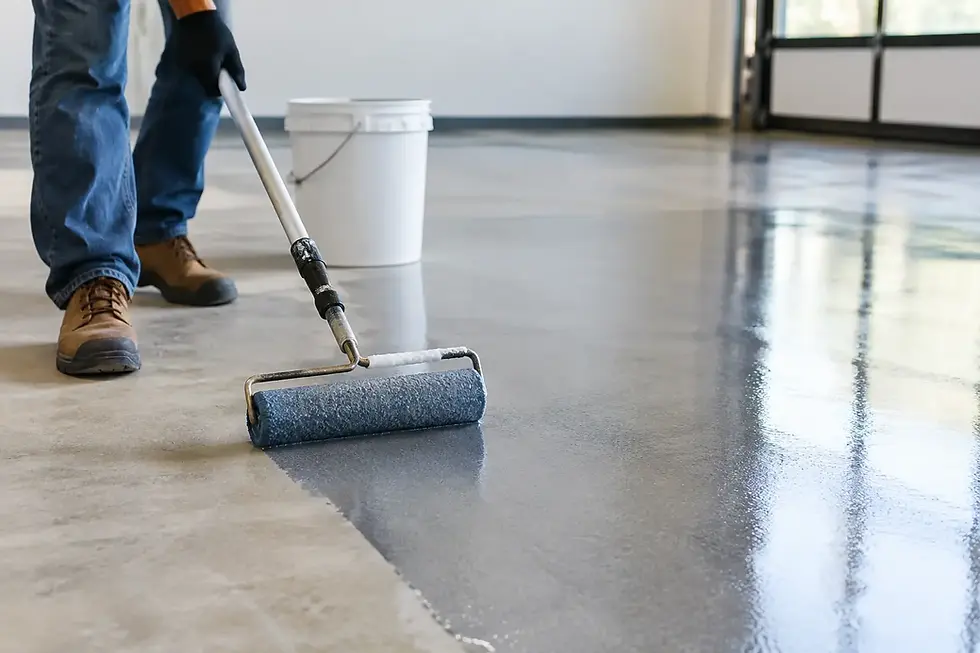
It may be less straightforward for every surface. Exterior coatings need to cope with sun, rain and movement. Bathrooms require moisture-resistant systems. Floors need purpose-made coatings such as epoxy rather than standard wall paint. In these situations, the VOC rating should be part of the decision, alongside weather resistance, chemical resistance, adhesion and safety requirements.
A reliable painter should explain these differences clearly rather than applying one product across every surface.
Getting a better result from lower-odour paint
Choose the paint after deciding how the room will be used, not just after choosing a colour. A washable low-sheen finish is often practical for family living areas and hallways, while a quality matte finish can suit ceilings and lower-contact walls. Test colours in the actual room because natural light, LED lighting and surrounding finishes can change their appearance.
Keep the room ventilated during and after painting where conditions allow. Follow the manufacturer’s drying and curing times before moving furniture back, cleaning walls or placing objects against freshly painted surfaces. Paint may feel dry within hours, but full hardness takes longer.
It also pays to use a complete compatible system. Primer, undercoat and topcoat should be selected to suit the existing surface and the final finish. This supports adhesion, colour consistency and long-term durability.
Is low VOC paint worth it?
For most interior projects, yes. Low VOC paint is a worthwhile choice when you want reduced odour without compromising on appearance or everyday performance. It is particularly valuable in occupied homes and workplaces, provided the product is selected for the surface and use of the room.
The best outcome comes from balancing healthier indoor air considerations with practical performance. At BaBa Painting Services, that means looking at the whole job: surface condition, preparation, premium paint selection, clean application and a finish that remains presentable after the painters have packed up.
A low VOC product is a good starting point, but careful preparation and the right coating system are what make a room feel properly finished.


Comments