

Choosing Paint Finish for High Traffic Areas
A paint finish for high traffic areas needs to do more than look good on day one. Hallways collect school bags and fingerprints, stairwells take knocks, kitchens need regular wiping, and commercial spaces face constant contact from customers, staff and equipment. The right sheen helps a surface stay cleaner, resist marking and remain presentable between repaints.
Choosing that finish is not simply a matter of picking the shiniest paint. Higher sheen products are generally tougher and easier to clean, but they can also show dents, patching and poor preparation more clearly. A lasting result comes from matching the finish to the room, the surface condition and the level of daily wear.
Why paint sheen matters in busy spaces
Paint sheen describes how much light a painted surface reflects. At one end are flat and matt finishes with very little reflection. At the other are semi-gloss and gloss finishes, which have a noticeable shine. Low sheen and satin sit between them.
For busy areas, a little sheen is often practical. It creates a tighter surface that is less likely to hold dirt and is easier to wipe down without damaging the coating. This matters in entryways, corridors, kitchens, laundries, children’s rooms, offices, retail spaces and common areas in apartment buildings.
The trade-off is visibility. A shinier wall reflects more light, which can highlight uneven plaster, old repairs, roller marks and rough timber. That is why surface preparation is just as important as the paint itself. Filling cracks, sanding repairs, sealing stains and using the right primer gives the finish a fair chance to perform properly.
The best paint finishes for high traffic areas
There is no single finish that suits every busy room. The best choice depends on what touches the surface, how often it is cleaned and how smooth the substrate is.
Low sheen for walls that need a softer look
Low sheen is a popular choice for interior walls in hallways, living areas, bedrooms and home offices. It has a soft appearance that suits modern interiors and hides minor surface imperfections better than shinier finishes. Quality washable low sheen paints can handle ordinary scuffs and regular cleaning well.
It is usually a sensible option where traffic is moderate to high but you still want a calm, non-reflective finish. In a family home, that can mean corridors and stairwells. In an office, it may suit internal walls that receive regular contact without being exposed to grease or frequent scrubbing.
Not all low sheen paints perform equally. A premium washable product is worth considering in areas where marks are likely, as cheaper paints may burnish or become patchy when repeatedly wiped.
Satin for washable, hard-working walls
Satin finishes offer more sheen than low sheen without the strong reflection of semi-gloss. They are a practical middle ground for kitchens, laundries, playrooms, busy hallways and commercial interiors.
Because satin is more washable, it is useful where handprints, food splashes and light scuffing are common. It also works well on doors, trim and timberwork when a softer alternative to semi-gloss is preferred. The wall or trim still needs good preparation, especially where sunlight enters from windows and highlights the surface.
Semi-gloss for doors, trims and wet areas
Semi-gloss is a reliable choice for skirting boards, architraves, doors, window frames and other joinery that receives regular knocks and handling. It is durable, easy to clean and better suited to repeated wiping than flatter finishes.
It is also commonly used in bathrooms, laundries and kitchen areas where moisture and cleaning are part of normal use. On walls, semi-gloss can be effective in very hard-working commercial settings, but it may look too reflective for some homes. It will also reveal preparation flaws, so it should not be used to hide a tired or uneven wall.
Gloss where maximum durability is needed
Gloss provides the highest level of shine and generally the toughest wipe-clean surface. It is best reserved for selected timber and metal elements, such as external doors, handrails, gates, balustrades and heavily used joinery.
On large interior walls, gloss can feel overly shiny and expose every imperfection. It is rarely the first choice for residential wall areas, although it has a place in certain commercial or heritage-style projects. Good sanding and careful application are essential for a professional result.
Match the finish to the room, not just the paint chart
A hallway and a kitchen may both be high traffic areas, but they face different kinds of wear. Hallway walls need to handle bags, shoes, furniture movement and fingerprints. Kitchen walls need resistance to cooking residue and regular wiping. A stair handrail needs a harder coating again because hands touch it every day.
For most homes, washable low sheen on walls paired with satin or semi-gloss on doors, skirtings and architraves is a balanced approach. It keeps the walls refined while giving high-contact joinery the extra protection it needs.
Commercial properties need a closer look at how the space operates. A reception area, medical practice, retail shop, strata corridor or childcare centre may need more durable coatings due to cleaning schedules, public use and safety requirements. Colour also matters. Very dark colours can show scuffs, while very light colours may show dirt sooner. Mid-tone colours often provide a more forgiving option in heavily used corridors and shared spaces.
Preparation determines how long the finish lasts
Even the right paint finish will struggle if it is applied over loose, dirty or damaged surfaces. High-traffic walls often have old adhesive, greasy marks, dents, cracked corners and patchy previous paintwork. Painting over these problems may look acceptable initially, but the defects soon reappear.
Professional preparation should include cleaning, scraping loose paint, repairing dents and cracks, sanding rough patches and spot-priming where needed. Stains, water marks and repaired plaster can require a suitable sealer before top coats are applied. Glossy existing surfaces may also need sanding so the new coating can bond correctly.
The number of coats matters too. Two properly applied top coats usually provide better colour consistency, coverage and durability than one heavy coat. Drying and recoat times should be respected, particularly in humid conditions or areas with limited ventilation.
Cleaning without damaging the paint
A washable finish is not indestructible. Aggressive scrubbing, harsh chemicals and abrasive pads can dull the sheen or remove colour over time. For everyday marks, start with a soft cloth or sponge, warm water and a mild detergent. Test a discreet area first, particularly on dark colours or recently painted surfaces.
Address marks early where possible. Fresh fingerprints and splashes are much easier to remove than built-up grime. In commercial premises, using suitable cleaning products and avoiding excessive moisture on painted walls will help extend the repaint cycle.
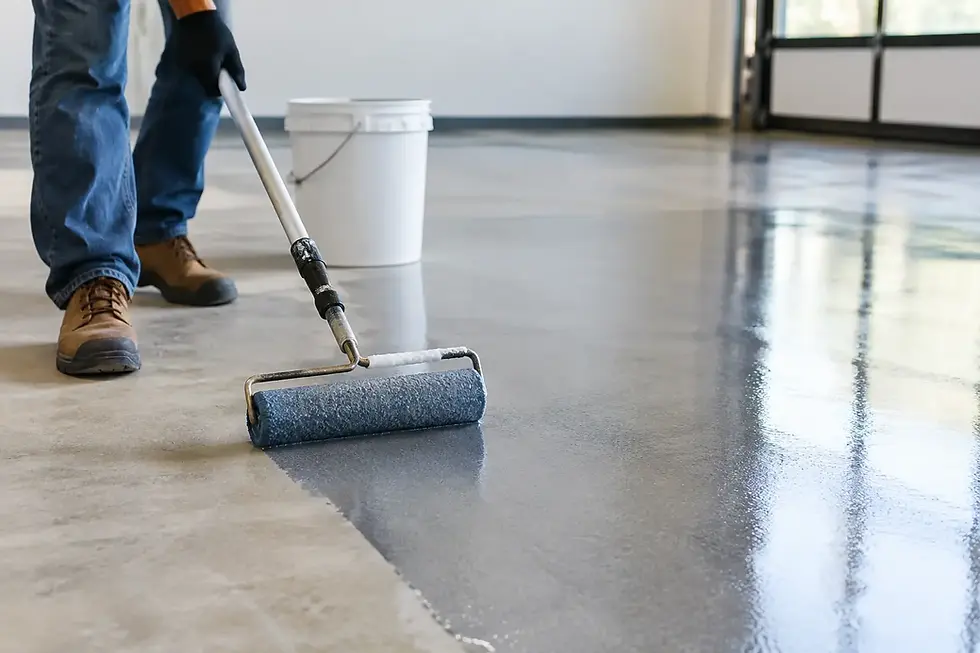
If a surface is repeatedly damaged in the same spot, paint alone may not be the full answer. A wall protection strip, tougher joinery coating, splashback or protective flooring system may be more practical. In garages, workshops and commercial floor areas, an epoxy flooring system can offer a far more durable solution than standard floor paint.
A finish that suits the whole property
The most successful paint finish for high traffic areas balances durability with appearance. Low sheen is often right for broad wall areas, while satin, semi-gloss and gloss each have a role on surfaces that need more frequent cleaning or greater resistance to wear.
Before choosing a sheen, look closely at the condition of the surface and how the room is actually used. A well-prepared, premium coating system will usually outlast a quick repaint with the wrong finish. For Sydney homes and commercial properties, BaBa Painting Services can assess the surface, recommend a practical finish and deliver a clean result built for everyday use.


Comments