

Is Epoxy Flooring Worth It for Your Property?
A plain concrete floor can look tired fast. It stains, dusts up, marks easily and rarely gives a space the clean, finished look most owners want. That is usually the point where people start asking, is epoxy flooring worth it, or is it just an upgrade that looks good for a while and then becomes another maintenance issue.
The honest answer is that epoxy flooring can be well worth it, but only when the floor is prepared properly and the coating suits the way the space is used. For garages, workshops, warehouses, retail back rooms and some indoor residential areas, epoxy can give you a harder-wearing, easier-to-clean surface than bare concrete. But it is not the right solution for every slab, every budget or every environment.
Is epoxy flooring worth it in real-world use?
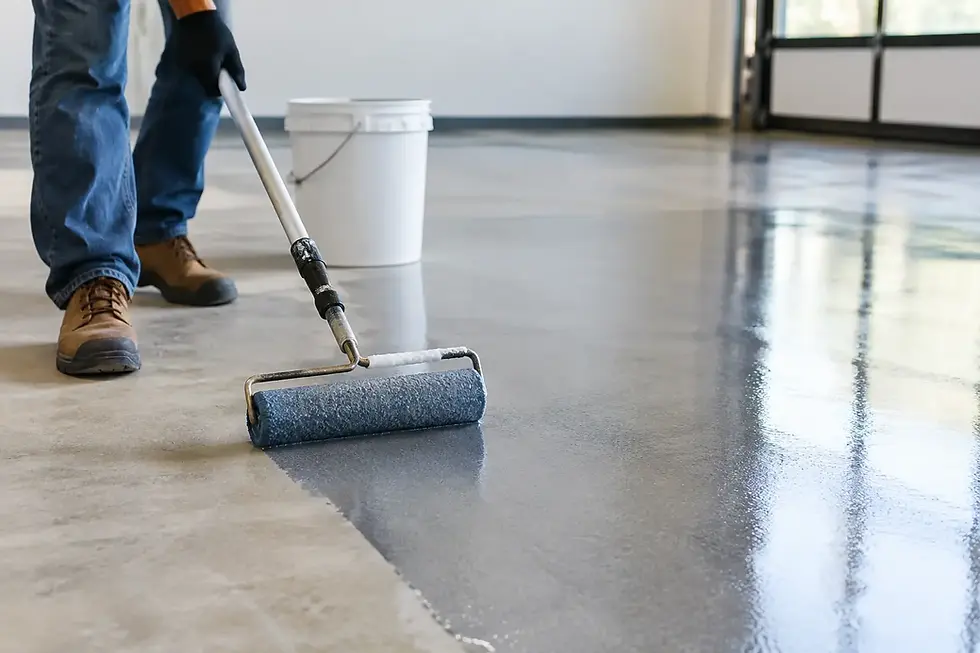
If you want a floor that is easier to clean, more resistant to stains and more presentable than plain concrete, epoxy often makes strong practical sense. It creates a sealed surface that helps reduce dust, improves appearance and stands up well to regular foot traffic, trolley movement and vehicle use when installed to the right standard.
That said, the value is not just in the finish you see on day one. The real value comes from whether the coating keeps performing over time. A properly prepared and professionally applied epoxy floor can hold up for years. A rushed job over a damp, cracked or contaminated slab can fail early, no matter how good it looked at handover.
So the question is less about whether epoxy is good in general and more about whether it is right for your floor, your usage and your expectations.
Where epoxy flooring usually makes sense
Epoxy tends to offer the best value in spaces that take regular wear and need a tougher, cleaner finish. Garages are an obvious example. Cars bring in moisture, dirt, oil and tyre marks, and bare concrete absorbs all of it. An epoxy coating gives you a more durable and easier-to-maintain surface that looks far more finished.
Commercial spaces also benefit when hygiene, presentation and cleaning matter. Storage areas, workshops, showrooms and some hospitality or retail back-of-house areas can all suit epoxy well. A sealed floor is simpler to mop, less dusty and often safer when the right slip-resistant finish is specified.
Inside the home, it depends more on the style of property and how the space is used. Epoxy can work well in laundries, utility areas and modern interiors where a clean, hard-wearing floor suits the design. It is less about making a statement and more about choosing a practical finish that will not constantly show wear.
The main benefits that make epoxy worth considering
One of epoxy's biggest advantages is durability. Compared with untreated concrete, it provides a tougher wearing surface that resists many common marks and spills. This matters in places where tools are dropped, boxes are dragged or vehicles come and go.
It is also easier to clean. Because the surface is sealed, dust and grime tend to sit on top instead of embedding into the slab. For property owners who are tired of concrete always looking dirty no matter how often it is swept, this alone can make the upgrade feel worthwhile.
Appearance is another factor. A professional epoxy finish can make a garage, commercial unit or utility area look brighter, cleaner and more intentional. That matters if you want a better presentation for tenants, customers or your own day-to-day use.
There is also a maintenance benefit. While no floor is maintenance-free, epoxy generally reduces the constant patchy look that untreated concrete develops over time. If the coating system is chosen properly, it can give you a practical long-term finish rather than a short-term cosmetic fix.
The drawbacks people should know before deciding
Epoxy is not magic, and it is not cheap if it is done properly. Good preparation takes time and skill. That often includes grinding the concrete, repairing cracks, removing contaminants and checking moisture issues before the coating even goes down. If you are comparing quotes, this is usually where the price difference comes from.
Curing time is another consideration. Depending on the system used, you may need to keep vehicles, stock or furniture off the floor for a period after application. For busy commercial sites or households that rely heavily on a garage, that downtime needs to be planned.
There is also the risk of failure if the slab is unsuitable or prep is poor. Peeling, bubbling and hot tyre pickup are not just product issues. They are often installation issues. That is why epoxy can seem excellent in one property and disappointing in another.
Finally, the surface can be slippery if the wrong finish is selected, especially when wet. This is manageable, but it needs to be addressed during specification rather than after the fact.
Is epoxy flooring worth it compared with plain concrete?
In most high-use areas, yes. Plain concrete is functional, but it is porous, dusty and difficult to keep looking clean. Once it starts absorbing oil, water and general grime, it rarely improves on its own. Epoxy gives that slab a sealed, more serviceable top layer.
The difference becomes more obvious over time. Concrete may seem cheaper because there is no upfront coating cost, but ongoing cleaning frustration, staining and general wear can make it feel unfinished for years. Epoxy asks for more investment at the start, but it can reduce that wear-and-tear look and improve the way the space performs.
Still, if the area gets very light use and appearance is not important, plain concrete may be enough. Not every floor needs coating. The right decision depends on whether the upgrade solves a real problem.
What affects whether epoxy is worth the cost?
The condition of the existing slab matters a lot. A sound, dry and well-prepared concrete surface gives epoxy the best chance of lasting. If the slab has serious cracking, moisture issues or previous coating failure, more remedial work may be needed before epoxy becomes a smart investment.
Usage matters just as much. A domestic garage used for parking and storage has different demands from a commercial kitchen, a warehouse aisle or a showroom floor. The coating system should match the traffic, cleaning routine and exposure to chemicals or moisture.
Workmanship is the deciding factor many people overlook. A cheaper quote can look attractive, but if surface prep is rushed or the wrong product is used, that lower price may end up costing more. Reliable contractors will be clear about preparation, realistic about timing and honest about what epoxy can and cannot do.
In a place like Sydney, where garages and commercial floors can be exposed to heat, moisture and steady use, proper assessment matters. The slab underneath the coating is not a minor detail. It is the foundation of the whole result.
When epoxy flooring may not be the best option
If your slab has unresolved moisture problems, epoxy may not be the right first step. Coating over a damp floor can lead to adhesion failure, and no quality finish should be applied until the underlying issue is addressed.
It may also be the wrong choice if you want a floor with a softer feel underfoot or a more forgiving surface for long standing periods. Epoxy is a hard finish. That is part of its strength, but it does not suit every environment.
And if your main goal is simply the lowest upfront cost, epoxy may not fit. It is better viewed as a value-for-money finish than a bargain option. Done properly, it pays off in performance and presentation. Done cheaply, it can become a redo job.
So, is epoxy flooring worth it?
For many properties, yes. If you want a cleaner-looking, easier-to-maintain and more durable floor than bare concrete, epoxy is often a worthwhile upgrade. It can improve both the look and function of a space, especially in garages, work areas and commercial settings where the floor takes real use.
But the result depends on the slab, the system and the standard of preparation. That is why a proper site assessment and clear advice matter more than a quick price comparison. A dependable contractor will tell you if epoxy is a smart fit, if extra prep is needed, or if another solution would serve you better.
A good floor finish should not just look sharp on day one. It should still make practical sense after months of use, cleaning and daily wear.


Comments