

How to Compare Painting Quotes Properly
A cheap painting quote can look good for about five minutes. Then you realise one painter included wall repairs, premium paint and clean-up, while another allowed for little more than a quick coat and a fast exit. If you are working out how to compare painting quotes, the real job is not finding the lowest number. It is working out what is actually included, what is missing, and which contractor is most likely to deliver a clean, lasting finish.
Painting quotes often look similar at first glance, but they can be priced very differently for valid reasons. The detail behind the figure matters more than the figure itself. A thorough quote usually reflects proper preparation, realistic labour time, quality materials and a contractor who intends to stand by the work.
How to compare painting quotes without missing the real cost
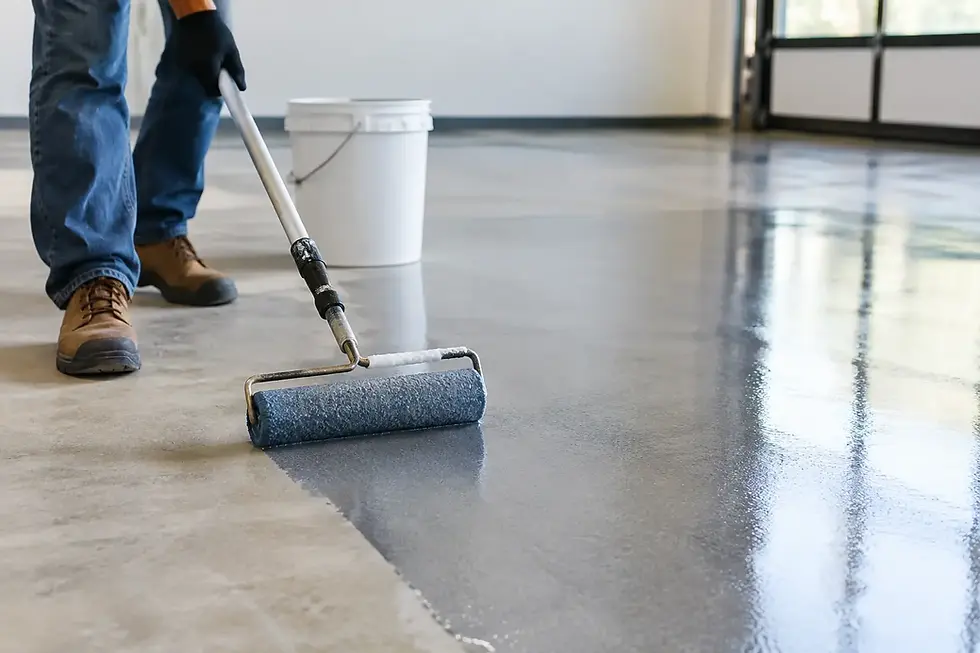
Start by putting the quotes side by side and checking whether each painter is pricing the same job. If one quote covers ceilings, walls, trims, patching and doors, and another only mentions walls, you are not comparing like for like. The same applies to exterior work, roof painting, epoxy flooring and commercial projects. Scope first, price second.
A professional quote should clearly describe the areas to be painted, the surfaces involved, the level of preparation, the paint system and the number of coats. If those details are vague, ask for clarification before making any decision. A short quote is not always a problem, but if it leaves too much open to interpretation, it can lead to variation costs later.
You should also look at how the painter has approached preparation. This is where quality is won or lost. Washing, scraping, sanding, gap filling, patching, mould treatment and minor surface repairs all take time. If one price is much lower than the others, there is a fair chance the prep allowance is light. That may save money upfront, but poor preparation usually shows up later as peeling, flaking, uneven coverage or patchy finishes.
Check the scope line by line
The easiest way to compare quotes properly is to break them into parts. Look at what each contractor has allowed for in preparation, materials, labour, access, protection of furniture or flooring, and final clean-up. Even simple items such as masking, moving light furniture or removing switch plates can make a difference to the final result and the final bill.
If you are comparing residential painting quotes, check whether wardrobes, skirting boards, architraves, doors and ceilings are included or excluded. For exterior painting, confirm whether eaves, gutters, fascias, downpipes, fences or garage doors are included. For commercial work, ask about access outside normal hours, safety requirements and whether the job is planned to minimise disruption.
When a quote says something broad like "paint interior" without more detail, that is a sign to ask questions. Good communication at quote stage often reflects how the job will be managed once work begins.
Look beyond the number on the last page
The total price matters, but it should never be the only deciding factor. A higher quote may include more complete preparation, better paint, extra coats or stronger site management. A lower quote may still be good value, but only if the contractor has not cut corners to get there.
One useful question is this: why is there a price gap? Sometimes the answer is simple. One painter may be licensed and insured, use premium products, allow for safety compliance and employ qualified staff. Another may work with lower overheads and still do a solid job. But if the gap is large, there is usually a reason, and it is worth finding out before you commit.
Be careful with quotes that are unusually cheap. In painting, very low pricing can mean rushed preparation, watered-down materials, thin coverage or labour that disappears halfway through the project. It can also mean the contractor has underquoted and will try to recover costs through variations once the work has started.
Paint quality should be stated clearly
Not all paints perform the same way. The brand, product line and finish all affect durability, washability and appearance. A quote should tell you what paint is being used or at least the quality level being proposed. If one quote allows for a premium system and another uses a budget product, the price difference may be justified.
This matters even more in high-wear areas such as kitchens, hallways, commercial premises and exterior surfaces exposed to strong sun and weather. Premium products usually cost more, but they can deliver better coverage and a longer-lasting finish. That is not just a sales point. It affects maintenance costs and how soon you may need repainting again.
Preparation standards are not a small detail
A professional painter does more than apply paint. Surface condition has to be assessed first. Cracks, water damage, peeling paint, nail holes, settlement marks and flaky exterior coatings all need attention before the first coat goes on.
If one quote includes surface repairs and another excludes them, the cheaper quote can quickly become the more expensive one. Sometimes repair work is hard to fully price until the painter gets closer inspection, so a quote may note exclusions or provisional items. That is fair enough, as long as it is explained clearly and not used to hide likely extra costs.
Ask what happens if the scope changes
Variations are sometimes unavoidable, especially in older properties where hidden issues appear once the work begins. What matters is how they are handled. A reliable painter should explain how additional work is approved, priced and documented before proceeding.
This is especially relevant if there may be timber rot, water damage, mould treatment, render repairs or access complications. The quote should not pretend these risks do not exist. It should show that the contractor has considered them and will communicate properly if something changes.
A clear variation process protects both sides. It prevents confusion, avoids disputes and helps you keep control of your budget.
Compare professionalism as much as price
A quote is also a preview of how the contractor works. Was the site inspection thorough? Were your questions answered properly? Did the painter arrive on time, communicate clearly and explain the job in plain language? Those signs matter.
You are not only buying paint. You are buying project management, workmanship and trust. For homeowners, that means respect for your property, tidy work areas and reliable scheduling. For landlords and commercial managers, it means straightforward communication, safety awareness and work completed with minimal fuss.
Licensing and insurance should be part of the conversation as well. So should clean-up, protection of surrounding surfaces and after-care if minor touch-ups are needed. A serious contractor will not treat these as optional extras. They are part of a professional service.
Timing can affect value
Ask when the work can start, how long it will take and how the painter will manage delays caused by weather or drying conditions. A quote that seems cheaper may not be better value if it creates long delays, extended downtime or a rushed finish at the end.
For commercial painting in particular, timing can be just as important as price. A contractor who plans properly, works safely and keeps disruption under control may save you more overall than a lower quote that causes operational problems.
Questions worth asking before you accept a quote
If you are still unsure how to compare painting quotes, ask each contractor the same few questions. What preparation is included? How many coats are allowed for? What paint system is being used? Are repairs included or charged separately? What is excluded from the price? How will variations be approved? Who will be on site each day? Is clean-up included?
The answers do not need to sound fancy. They just need to be clear and honest. Straight answers usually point to a straightforward job.
At BaBa Painting Services, we believe a good quote should make your decision easier, not more confusing. You should be able to see exactly what you are paying for, how the work will be carried out and what standard to expect.
The right painting quote is not the one with the smallest number. It is the one that gives you confidence the job will be done properly, safely and without unwelcome surprises after the brushes come out.


Comments