

Epoxy Flooring vs Floor Paint: Which Lasts?
If your garage floor is dusty, stained or starting to look tired, the choice usually comes down to epoxy flooring vs floor paint. On paper, both can freshen up concrete. In practice, they perform very differently once cars, foot traffic, moisture and regular cleaning come into the picture.
That difference matters more than most people expect. A floor coating is not just about appearance. It affects how easily the surface cleans, how well it resists wear, and whether you end up repainting again far sooner than planned. For homeowners, landlords and commercial property managers, the better option depends on how the space is used, what condition the slab is in, and how long you want the result to last.
Epoxy flooring vs floor paint: the core difference
Floor paint is usually a thinner coating designed to add colour and basic surface protection. It sits on top of the concrete and can improve the look of a floor quickly, especially in lower-demand areas. For some spaces, that is enough.
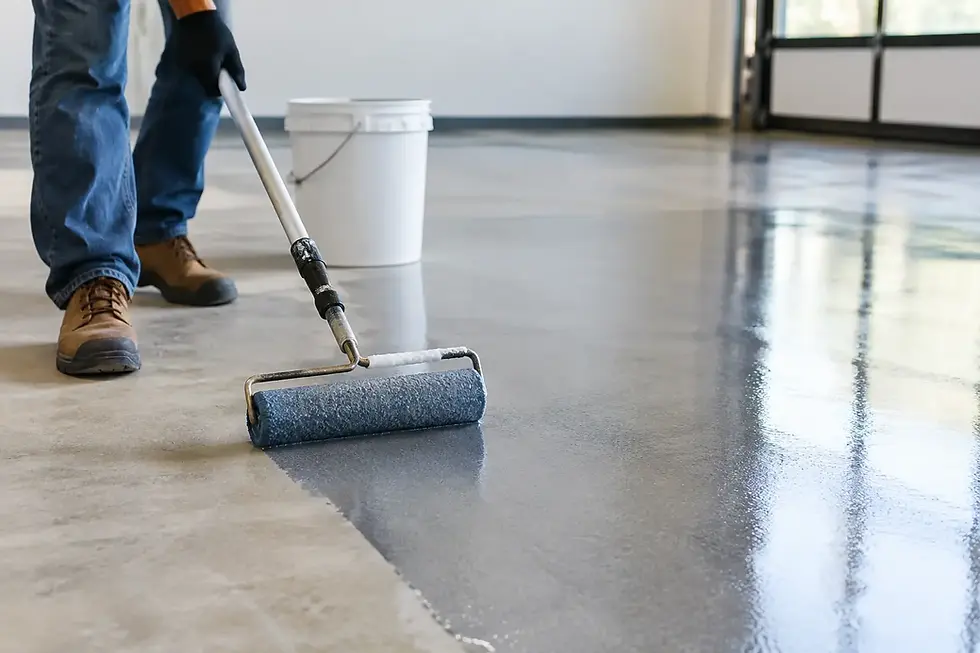
Epoxy flooring is a heavier-duty resin-based system. Rather than acting like a basic painted layer, it creates a harder, more durable finish that bonds more strongly to a properly prepared concrete surface. That is why epoxy is commonly chosen for garages, workshops, commercial spaces and other areas where durability matters.
The biggest mistake people make is treating them as equal options with different price tags. They are not the same product class. One is generally a lighter cosmetic coating. The other is a performance flooring system.
Where floor paint makes sense
Floor paint can be a practical choice when the area gets light traffic and the goal is mainly to improve presentation on a modest budget. A small utility area, storage room or low-use internal space may not need the added cost of a full epoxy system.
It is also often chosen when owners want a quick visual improvement before leasing or selling. If the concrete is in reasonable condition and expectations are realistic, floor paint can tidy a space and make it look cleaner.
That said, its limitations show up quickly in tougher environments. Tyre movement, dragged furniture, dropped tools, chemical spills and repeated washing can all shorten its life. In garages especially, standard floor paint often starts wearing through in traffic paths or lifting where adhesion was never strong enough to begin with.
Why epoxy is often the better long-term option
Epoxy flooring is usually the stronger choice where the floor needs to handle real use, not just look presentable for a few months. A well-installed epoxy system resists abrasion better, handles cleaning more effectively and gives a more solid, professional finish.
In a garage, that means better resistance to tyre marks, oil drips and day-to-day wear. In a commercial setting, it can mean a cleaner-looking floor that stands up to trolleys, foot traffic and regular maintenance without degrading as quickly.
It also tends to deliver a more even finish. Depending on the system, epoxy can be installed in plain solid colours or decorative flake finishes that help hide minor dust and day-to-day marks. For many property owners, that cleaner and more durable appearance is the reason they choose it.
Durability: this is where the gap opens up
If durability is the main concern, epoxy usually wins by a clear margin. Floor paint can chip, scratch and wear back relatively quickly, particularly in high-use areas. Even when labelled as heavy-duty, many painted finishes do not cope well with sustained traffic and impact.
Epoxy is designed for tougher service. When the slab is prepared correctly and the coating is installed to suit the site conditions, it can hold up far better over time. That does not mean it is indestructible. Heavy impact, poor slab condition or moisture issues can still cause problems. But as a general rule, epoxy gives you a more resilient finish.
This is one of those cases where cheap can become expensive. A lower upfront cost looks appealing until the floor needs attention again in a short timeframe. Recoating, patching and dealing with peeling sections can end up costing more than doing it properly the first time.
Preparation matters more than the product label
Whether you choose epoxy or paint, preparation is what often decides the result. A coating is only as good as the surface under it. If the concrete has dusting, laitance, grease contamination, cracks or moisture problems, simply rolling a product over the top is asking for trouble.
Professional preparation may include cleaning, degreasing, mechanical grinding, crack repairs and moisture assessment. This is especially important with epoxy flooring, because a stronger coating system still needs a sound substrate to bond properly.
A lot of early coating failures are blamed on the product when the real issue was skipped prep. If a floor starts peeling in sheets, it is often because the surface was not properly prepared or the coating was applied over contamination. Reliable contractors know that the hard work happens before the topcoat goes down.
Appearance and finish quality
Floor paint can look neat when freshly applied, but it generally gives a simpler finish. You may still see more of the slab's imperfections underneath, and the coating can lose its uniform look as wear develops.
Epoxy usually gives a cleaner, more professional appearance. It can create a smoother and more deliberate finish that lifts the whole space, which is why it is popular not only in garages but also in showrooms, workshops and upgraded utility areas.
For residential properties, decorative flake epoxy systems are often a good middle ground between practicality and presentation. They look sharp, help disguise minor surface inconsistency and provide a finish that feels more complete than standard paint.
Cost: lower upfront or better value over time?
Floor paint is almost always cheaper at the start. For a basic refresh, that can be enough to sway a decision. But upfront price should not be the only measure.
When comparing epoxy flooring vs floor paint, the better question is what value you need from the floor over the next few years. If the surface gets real use and you want a durable, easier-to-maintain result, epoxy often gives better long-term value despite the higher initial cost.
That is especially true for landlords and commercial clients. Frequent touch-ups, tenant wear, presentation standards and downtime all have a cost attached. A coating that lasts longer and performs better may be the more practical investment.
Which option suits your space?
For a low-traffic room where appearance matters more than heavy wear, floor paint may be suitable. For garages, workshops, retail back-of-house areas and other harder-working spaces, epoxy is usually the more dependable choice.
It also depends on the slab itself. Older concrete with cracks, contamination or moisture concerns may need repairs and proper assessment before any coating system is chosen. There is no point paying for a premium finish if the base is not ready for it.
In Sydney properties, garages and ground-level slabs can also face moisture-related issues depending on age, construction and ventilation. That is another reason a site-specific recommendation matters more than a one-size-fits-all answer.
The real decision in epoxy flooring vs floor paint
The real decision is not just which product is cheaper. It is whether you want a short-term cosmetic improvement or a more durable flooring solution. Floor paint has its place, but it is best suited to lighter-duty areas and modest expectations.
Epoxy flooring is usually the stronger option when you want durability, easier cleaning and a finish that still looks professional after regular use. It costs more because it involves more system performance and, when done properly, more serious preparation.
That is why experienced contractors do not recommend coatings based on price alone. They look at traffic, slab condition, exposure, finish expectations and how long the client wants the result to last. At BaBa Painting Services, that practical approach is what helps property owners avoid paying twice for the same floor.
If you are weighing up both options, the best starting point is simple: think about how the floor will actually be used six months from now, not just how you want it to look next week.


Comments