

How to Choose Epoxy Flooring
A garage floor that looks good on day one but starts peeling six months later is usually not a product problem. It is a choosing problem. If you are working out how to choose epoxy flooring, the real decision is not just colour or gloss. It is about matching the system to the space, the traffic, the slab condition and the standard of preparation behind it.
Epoxy flooring can be an excellent long-term finish for homes, workshops and commercial properties, but it is not one-size-fits-all. A floor in a family garage has different demands from a warehouse, showroom or commercial kitchen. The right choice comes from understanding how the floor will actually be used, and being honest about the condition of the concrete underneath.
How to choose epoxy flooring for your space
Start with function before appearance. Most people first notice the finish - solid colour, flake, satin or high gloss - but performance should lead the decision. Ask what the floor needs to cope with every week. That could mean parked vehicles, oil drips, foot traffic, pallet jacks, cleaning chemicals, moisture, or constant wear near entries and work zones.
In a residential garage, many owners want a clean, easy-to-maintain surface that improves the overall look of the space. In that case, a decorative flake epoxy system often makes sense because it hides dust and minor marks better than a plain solid colour. In a commercial setting, appearance still matters, but slip resistance, chemical resistance and downtime often matter more.
This is where many property owners get caught out. A floor that looks impressive in a brochure may not suit the day-to-day use of the area. Gloss finishes, for example, can look sharp and reflect light well, but in some environments they can show dirt more easily or feel less forgiving under harsh lighting. A more textured or satin finish may be the better practical choice.
Think about traffic, spills and cleaning
The more demanding the environment, the more important the system build becomes. Light residential use may only need a simpler coating system, while heavier commercial use often calls for a thicker application with stronger resistance to abrasion, impact or chemicals.
If the floor will be cleaned regularly, or if spills are likely, choose a finish that supports easier maintenance without becoming slippery. That balance matters. A floor can be easy to wipe down, but if it becomes unsafe when wet, it is the wrong specification. In workshops, food-related areas and some commercial sites, slip resistance should be part of the conversation from the start, not treated as an optional extra.
The concrete underneath matters as much as the coating
A good epoxy finish depends on what is happening below it. If the slab has moisture issues, old coatings, contamination, cracks or weak surface concrete, no quality topcoat will fix that by itself. Proper preparation is not a nice extra. It is what makes the system hold.
Before choosing an epoxy floor, check whether the concrete is sound, dry enough and properly repairable. Hairline cracks may be manageable with the right repairs. Larger movement cracks, surface dusting or contamination from oil and grease need more attention. If the slab has rising moisture, that can affect product choice or whether epoxy is the right option at all.
This is one reason cheap epoxy jobs often fail early. The quote may look attractive, but if surface grinding, crack repair and moisture assessment are skipped or rushed, the finish is compromised before the first coat goes down. A dependable contractor will talk clearly about preparation because it directly affects durability.
New slab or old slab
New concrete is not always ready immediately. It generally needs time to cure properly, and moisture levels need to be suitable before coating. Older slabs can also be suitable, but they often need more repair and cleaning to create a sound base.
Neither is automatically better. A new slab may be cleaner structurally but still too green for coating. An older slab may be stable and dry but need more surface work. The right choice depends on assessment, not assumptions.
Choose the right finish, not just the right colour
Colour matters because epoxy flooring changes the feel of a space. Lighter tones can brighten darker garages and work areas. Mid-tones often do a better job of hiding dust and everyday marks. Decorative flake systems add texture and visual interest, and they can make a residential garage or showroom feel more finished and considered.
But appearance should still serve the space. If you want a neat, low-maintenance result, choose a finish that will age well under normal use. Very dark colours can show dust and scratches. Very light floors may reveal tyre marks or grime faster in working environments. A flake blend often gives a practical middle ground because it breaks up the surface visually and disguises minor wear.
Gloss level also deserves some thought. High gloss can look premium and help light bounce around the room, but it is not always the best fit for every site. In some commercial or industrial settings, a lower sheen may be easier to live with and more forgiving over time.
How to choose epoxy flooring by system type
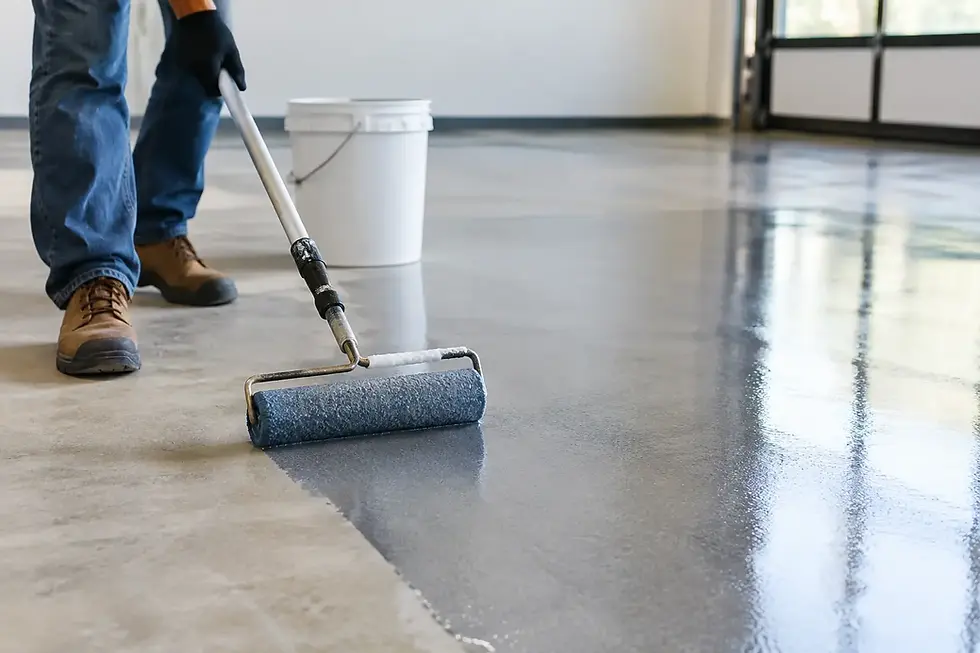
When people ask how to choose epoxy flooring, they often think they are selecting a single product. In practice, they are choosing a system. That can include primers, base coats, decorative layers and topcoats, each with a job to do.
A basic roll-on coating may suit a lighter-duty area with a modest budget, but it will not perform like a professionally installed multi-coat system. If you need stronger resistance to traffic, chemicals or impact, ask about the thickness of the system, the number of coats and the role of the topcoat.
Topcoats matter more than many people realise. They can improve UV stability, add wear resistance and influence the final gloss or texture. This is especially relevant in areas with sunlight exposure, where some epoxy systems may yellow over time if not specified correctly. If the floor is near open roller doors, large windows or outdoor-facing entries, that should be factored into the recommendation.
Residential versus commercial expectations
For a home garage, laundry or storage area, most owners want three things: a clean look, straightforward maintenance and long-term value. For commercial sites, the priorities often shift to durability, safety compliance and minimal disruption during the works.
That does not mean one standard is lower than the other. It means the right solution depends on the job. A residential client may care more about finish and ease of cleaning. A business owner may need a floor that can handle equipment, regular washdowns or stricter slip resistance requirements. The best choice is the one that fits the site, not the one with the most impressive sales pitch.
Ask the right questions before you commit
A reliable epoxy flooring quote should explain more than the final price. It should tell you what preparation is included, what repairs are allowed for, what system is being applied and how long the area needs before it can be used again.
It is also worth asking how the contractor handles surface defects discovered during preparation. Some slabs reveal more once grinding begins. Clear communication here helps avoid surprises. So does confirming who is responsible for site cleanliness, protection of surrounding areas and after-care advice once the floor is complete.
In Sydney, where garages and commercial spaces can face heat, humidity and variable slab conditions, product selection and preparation standards should be practical rather than generic. A licensed and insured contractor with a strong preparation process will usually be the safer choice than a low quote that leaves too much unsaid.
Cost matters, but value matters more
Epoxy flooring should be judged on whole-of-job value, not just upfront cost. A cheaper system that fails early is not cheaper in the end. Recoating a peeling or poorly bonded floor usually means more preparation, more downtime and more frustration than getting it done properly the first time.
That does not mean the most expensive quote is always the best either. It means you should compare what is actually included. Preparation, crack repair, system thickness, topcoat quality, finish type and workmanship standards all affect the result. Fair pricing is about scope matching performance.
A good contractor will keep the advice straightforward. They should explain where a simpler system is enough and where spending more is justified. That kind of honesty is usually a better sign than being pushed into the highest-priced option.
Choosing epoxy flooring comes down to a simple principle: pick the system that suits the slab, the use and the standard you expect to live with for years, not just the look you want this week.


Comments