

Building Maintenance Painting That Lasts Longer
A peeling fascia board, marked foyer wall or rusting handrail can make an otherwise well-managed property look neglected quickly. Building maintenance painting is not just about refreshing colour. It is planned work that protects surfaces, presents the property properly and helps prevent small defects from turning into expensive repairs.
For homeowners, landlords and commercial property managers, the best approach is rarely to wait until every surface looks tired. Regular inspection and timely painting work keep maintenance predictable, reduce disruption and extend the life of the building materials underneath.
What building maintenance painting should include
Quality maintenance painting starts well before a brush or spray gun comes out. Paint will only perform as well as the surface beneath it, so preparation is the part of the job that cannot be rushed.
A proper scope should identify flaking paint, cracking, water staining, timber rot, mould, rust, failed sealant and damaged plaster. Some issues can be repaired as part of the painting work. Others, such as an active roof leak or serious moisture problem, need to be fixed first. Painting over the cause may make a surface look better temporarily, but it does not solve the problem.
Once repairs are addressed, surfaces need the right preparation. This may involve washing, scraping, sanding, patching, gap sealing, spot priming and applying suitable undercoats. Exterior areas often require more cleaning and protection because Sydney weather, UV exposure, rain and coastal air can be hard on painted surfaces.
The final system also matters. Interior walls, ceilings, trims, exterior cladding, metalwork, concrete and timber all have different needs. Choosing paint for appearance alone can create avoidable maintenance later. The right product and finish should suit the substrate, expected wear and how the area is used.
Why planned painting costs less than reactive repairs
Maintenance is easiest to budget for when problems are still small. A few cracked joints around windows, exposed timber on a balcony or early rust on a metal gate are usually straightforward repairs when found early. Left exposed, water can move behind coatings and into the material itself.
That is when a repaint can become a larger building repair. Timber may need replacement, plaster may need more extensive work, and rusted steel can require heavier treatment before it can be coated safely. The cost is not only labour and materials. It can also include access equipment, tenant inconvenience, business downtime and delays to other work.
Planned building maintenance painting gives owners more control. Work can be staged by priority, budget and access requirements instead of becoming an urgent job after damage is obvious. In a commercial setting, this can mean scheduling noisy preparation or restricted-access work outside trading hours. For strata and rental properties, it can mean clear notice and a more orderly process for residents.
There is a balance to strike. Repainting a surface that is still sound simply because a fixed schedule says so is not always necessary. Condition, exposure and the quality of the previous coating should guide the decision. A shaded internal hallway may stay in good condition for years, while a west-facing exterior wall can need attention much sooner.
Areas that need regular attention
High-traffic interior spaces are often the first to show wear. Entry areas, corridors, stairwells, shared amenities, kitchens and reception spaces collect scuffs, marks and fingerprints. A washable, durable finish can make routine cleaning easier and keep these areas looking professional between repainting cycles.
Exterior timber deserves close attention, particularly eaves, fascia boards, window frames, decks, fences and pergolas. Look for peeling, splitting, soft spots and open joints. These are signs that the protective coating is no longer doing its job.
Metal elements such as balustrades, gates, railings, security doors and structural steel should also be checked for scratches, bubbling paint and rust. Rust treatment needs to be thorough. Applying a fresh coat over corrosion without proper preparation can cause the coating to fail again quickly.
Roof painting is a separate consideration. A roof coating can improve appearance and add protection when the roof is sound and properly prepared, but it is not a repair for damaged tiles, corroded sheets, loose fixings or water entry. Any roof defects should be assessed and repaired before painting is considered.
Choosing finishes for the way a property is used
A good finish needs to work hard, not merely look good on completion day. In family homes, low-sheen wall finishes can provide a practical balance between appearance and cleanability. In common areas or commercial premises, more durable systems may suit walls that receive frequent contact from trolleys, bags, equipment or foot traffic.
Colour selection should be practical too. Very dark exterior colours can increase heat absorption on some surfaces, while very light colours may show grime sooner in busy areas. The best choice depends on the building design, sunlight, surrounding environment and how much routine cleaning is realistic.
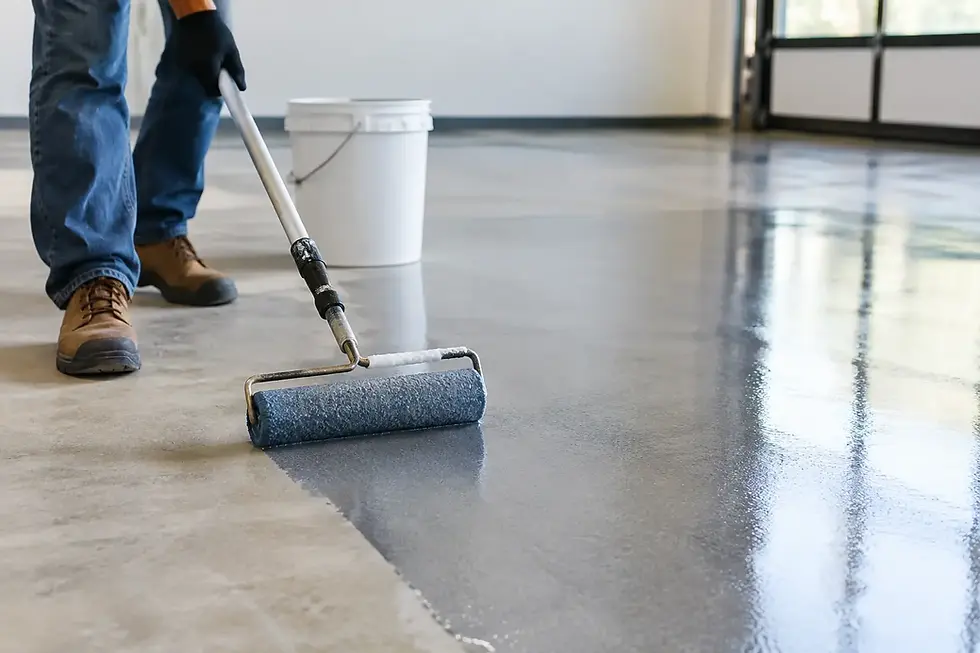
Specialised coatings can also be appropriate in certain locations. Moisture-prone rooms need products designed to resist mould growth. Concrete floors in garages, workshops and commercial spaces may benefit from a properly prepared epoxy flooring system, particularly where a clean, hard-wearing surface is needed. These products have preparation requirements of their own, so they should not be treated as a quick coating over poor concrete.
How to manage a maintenance painting project well
The clearest results come from a clear scope. Before work begins, confirm which surfaces are included, what repairs are required, the selected colours and finishes, access arrangements and the expected timing. A detailed quote helps prevent misunderstandings and makes it easier to compare proposals fairly.
For occupied properties, communication is just as important as workmanship. Residents, staff or tenants need reasonable notice of work areas, drying times, access restrictions and any changes to normal use. Professional painters should protect floors, furniture, landscaping and nearby surfaces, then leave the site clean at the end of the job.
Safety is essential, particularly where ladders, elevated work, public access or commercial sites are involved. Licensed and insured contractors who follow site safety requirements provide more than reassurance. They reduce the risk of poor planning creating a problem for occupants, visitors or the property owner.
It is also worth asking what happens after completion. Minor touch-ups, paint records and advice on future care can be valuable, especially for larger properties with several rooms or stages of work. Keeping a record of colours, product types and dates makes future maintenance simpler and helps create a consistent finish over time.
When a full repaint is not the right answer
Not every maintenance issue requires painting every wall or every external elevation. Localised repairs and touch-ups can be sensible where the existing coating is in good condition and the colour can be matched. This is often useful between tenancy changes or after minor damage.
However, patch repairs have limits. If paint has faded significantly, multiple areas are failing or the surface has widespread contamination, touch-ups may stand out or fail to last. In that case, a broader repaint is usually the more economical choice over the life of the property.
A reliable contractor will explain that difference plainly rather than recommending the biggest job by default. BaBa Painting Services approaches maintenance work with that practical focus: assess the condition, prepare surfaces properly, use quality materials and complete the work cleanly.
The best time to organise maintenance painting is when you first notice early wear, not when the damage has become impossible to ignore. A timely inspection can turn a disruptive repair into straightforward planned work and keep your property looking cared for every day.


Comments