
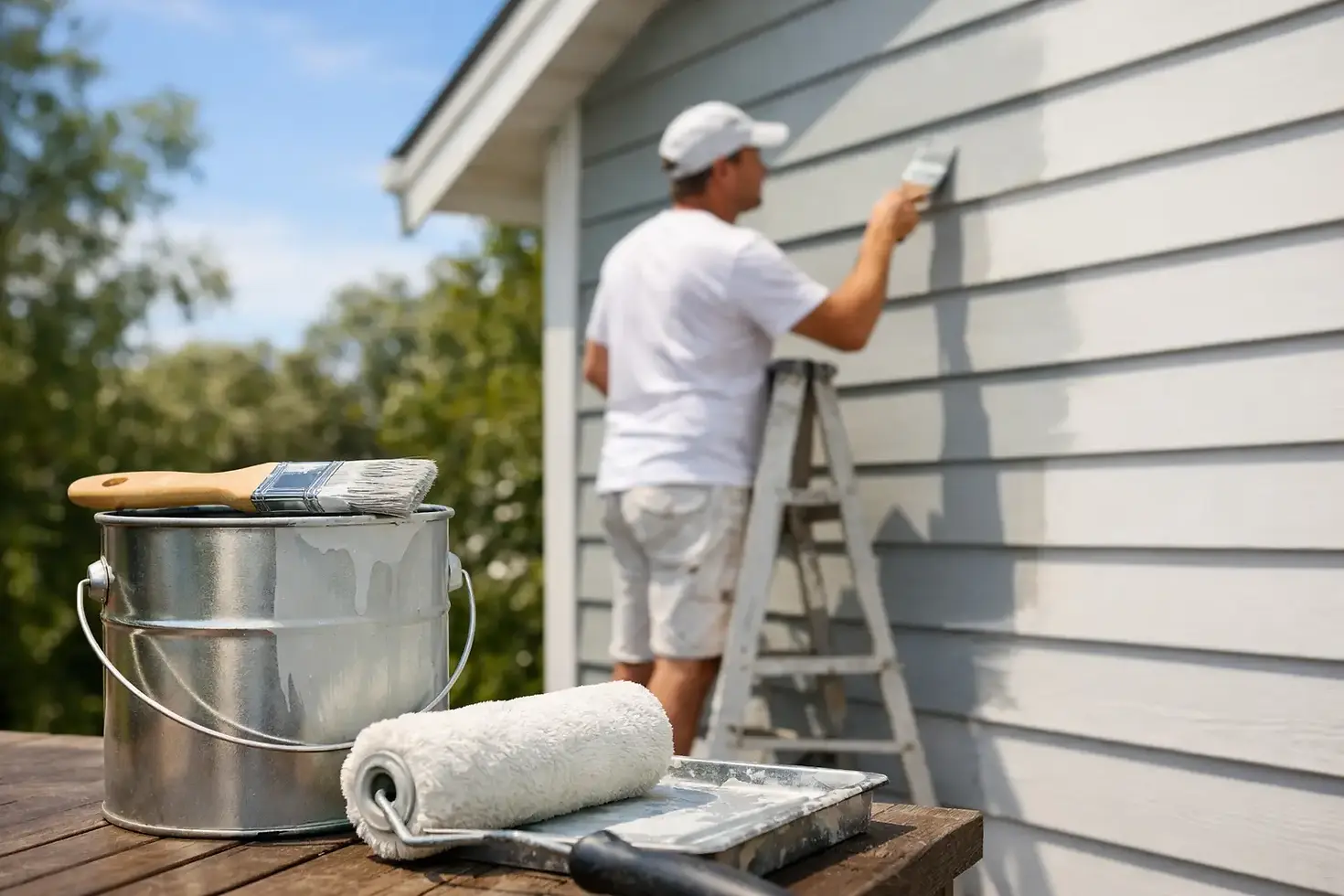
Best Exterior Paint for Weatherboards
Weatherboards can make a home look sharp and well-kept, but they do not forgive the wrong coating. If you are choosing the best exterior paint for weatherboards, the real question is not just brand or colour. It is whether the paint can handle sun, rain, timber movement and the condition of the boards underneath.
A finish might look good for the first few months, then start showing its weaknesses once the seasons do their work. Peeling edges, cracking, chalking and early fading usually come back to one of three things - poor prep, the wrong product, or both. That is why weatherboard painting needs a practical approach rather than guesswork.
What makes the best exterior paint for weatherboards?
Weatherboards expand and contract as temperatures change. Timber also takes on and releases moisture over time. That means the best exterior paint for weatherboards needs to do more than add colour. It needs flexibility, strong adhesion and good resistance to UV and moisture.
For most homes, a high-quality exterior acrylic is the safest and most reliable option. Modern acrylic paints are designed to move with the substrate better than older coatings, and they generally hold colour and gloss well in Australian conditions. They also dry faster, have lower odour and are easier to maintain.
That does not mean every acrylic is equal. Trade-grade products usually perform better over time than budget lines, particularly on older timber or elevations that get full sun and weather exposure. Premium paints tend to cover more evenly, resist dirt better and keep their finish longer. They cost more upfront, but repainting too early costs more again.
Why timber condition matters as much as the paint
Before anyone talks about topcoats, the boards themselves need a proper look. Weatherboards that are flaking, split, damp, mouldy or coated in failing paint will not hold a fresh finish for long, no matter how good the product is.
This is where many paint jobs go wrong. The visible part is the new colour, but the performance comes from preparation. Loose paint needs scraping. Glossy surfaces need sanding. Gaps and minor damage may need filling or repairs. Bare timber and patched sections usually need the right primer before topcoats go on.
If there is water ingress, rising damp or rot, painting over it is only masking a building issue. A dependable painting contractor will point that out early rather than push on and leave you with a short-lived result.
Acrylic vs oil-based paint on weatherboards
For most exterior weatherboards today, acrylic is the better choice. It stays more flexible, which matters on timber that moves. It also tends to resist cracking and peeling better over time.
Oil-based paints were once common on weatherboards and still have some niche uses, especially when matching older systems or dealing with specific restoration work. They can produce a hard finish, but that hardness can also become a drawback when boards shift. Over time, the coating may become brittle and more prone to cracking.
If your existing surface has older oil-based paint, that does not automatically mean you need to repaint in oil. In many cases, with the correct preparation and primer, a quality acrylic system can be applied successfully. The key is surface assessment, not assumptions.
The finish matters too
When people ask about the best paint, they often mean the coating type, but sheen level also matters. Low sheen is a popular choice for weatherboards because it gives a clean, modern look without highlighting every surface imperfection. It also tends to weather well and is practical on larger exterior areas.
Higher gloss finishes can look crisp and traditional, especially on trims and older style homes, but they show more flaws in the substrate. On weatherboards with age, movement or patching, too much gloss can draw attention to every uneven section.
There is no single right answer here. It depends on the age of the home, the style you want and the condition of the boards. A good painter should be able to recommend a finish that suits both the look and the substrate.
Climate plays a bigger role than many owners expect
Exterior painting in Australia is not one-size-fits-all. In coastal areas, salt exposure can be hard on finishes. In hot western-facing elevations, UV damage can shorten the life of weaker coatings. In shaded areas, mould and moisture retention can become the bigger issue.
For Sydney homes in particular, you often get a mix of strong sun, seasonal rain and humidity. That makes product selection and prep especially important on weatherboards. Paint needs to be flexible enough to handle movement, durable enough to cope with exposure, and applied under the right conditions.
Even the best product can struggle if it is applied when the surface is too hot, too damp or not properly dry after washing. Timing matters. So does the number of coats.
Primer is not the place to cut corners
If sections of the weatherboards are back to bare timber, primer is essential. The right primer helps seal the substrate, improve adhesion and create a more uniform finish coat. It can also help block tannin bleed on some timbers.
Spot priming may be enough for minor bare areas, but if a surface is heavily weathered or patchy, a full priming coat can make a big difference to the final result. Skipping this stage to save time or money often shows up later as uneven absorption, peeling or premature failure.
This is one reason experienced painters put so much focus on systems, not just tins of paint. Primer, undercoat where needed, and topcoats all have a role.
Cheap paint can be expensive
Budget paint can be tempting, especially on larger exteriors where material quantities add up. But lower-cost coatings often need more coats, may not cover evenly and usually do not hold up as long. That can mean more labour, earlier maintenance and a finish that starts looking tired sooner than expected.
For weatherboards, premium exterior paint is usually worth the investment because the surface is exposed and visually prominent. A solid paint system applied properly can extend repaint cycles and reduce the chance of patchy wear.
That is one reason many professional painters prefer trusted premium brands and tested systems over bargain products. The aim is not just to finish the job, but to leave a result that still looks good years later.
Signs you need more than a repaint
Sometimes owners ask about paint when the bigger issue is substrate failure. If boards are soft, badly cupped, split through, or repeatedly holding moisture, replacement or repair may be needed before painting starts.
The same goes for widespread flaking caused by layers of old failing coatings. In those cases, more extensive preparation may be required to get back to a stable base. A quick repaint might improve appearance briefly, but it will not deliver the long-term finish most owners want.
Honest advice matters here. A proper quote should identify whether the job is straightforward repainting or whether repairs are part of getting a durable result.
How to choose well without overcomplicating it
If you are comparing options, start with three practical questions. Is the paint made for exterior timber? Is it a premium system with proven durability? And does your painter have a clear prep plan for the condition of the weatherboards?
Those points matter more than chasing marketing claims on the label. The best exterior paint for weatherboards is usually a high-quality acrylic exterior system, but the best outcome comes from pairing the right product with proper repairs, cleaning, sanding, priming and careful application.
That is also why quotes should not be judged on price alone. One contractor may allow for scraping, filling, mould treatment and premium coatings, while another may price for a faster, lighter prep approach. The cheaper figure can become the more expensive decision if the paint starts failing early.
At BaBa Painting Services, this is the part we take seriously - preparation, premium materials and a finish that is built to last, not just look fresh for handover day.
A better paint job starts before the first coat
Weatherboards reward good workmanship and expose shortcuts quickly. The right paint matters, but not on its own. Surface repairs, primer selection, weather conditions and application standards all shape how long the finish lasts and how well it protects the timber.
If you are planning to repaint weatherboards, think beyond colour charts. A durable exterior finish comes from choosing a paint system that suits the timber, the exposure and the condition of the home. Get that right, and the boards will not just look better - they will stay protected for much longer.


Comments