
Special Finishes Painting for Lasting Impact
- babapaintingservic
- 1 day ago
- 6 min read
A flat coat of paint can make a room look clean. Special finishes painting can make it memorable. When a wall needs more depth, texture or character, the finish matters just as much as the colour, and the result depends heavily on the preparation behind it.
For homeowners, landlords and commercial property managers, that matters for a simple reason. Decorative finishes can lift a reception area, add warmth to a living room or help a feature wall feel intentional rather than ordinary. But these finishes are less forgiving than standard painting. If the surface is uneven, the product is rushed on, or the wrong system is used, the final look can feel patchy very quickly.
What special finishes painting actually includes
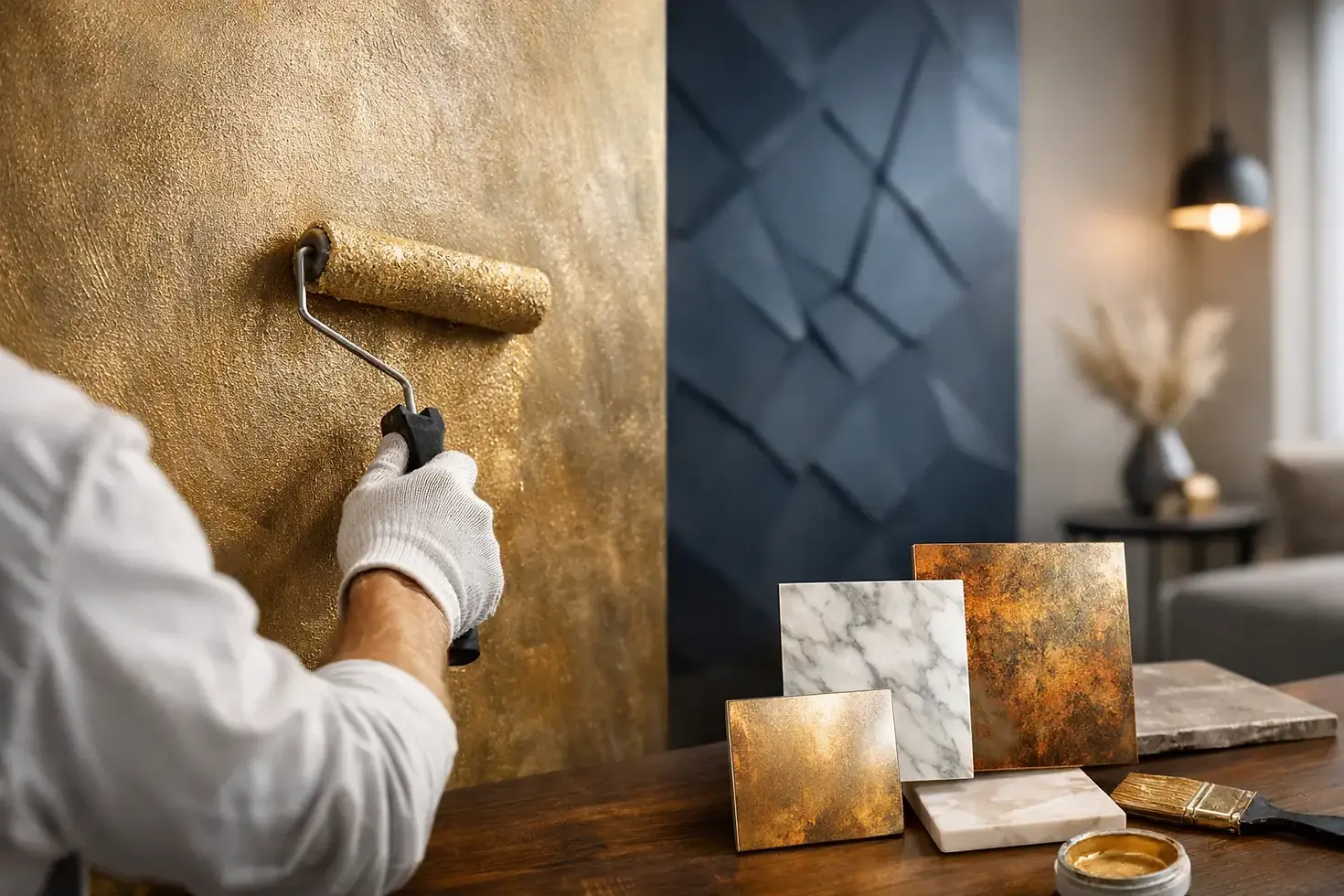
Special finishes painting covers a range of decorative and textured techniques that go beyond a standard smooth wall coating. Depending on the surface and the desired look, that can include texture coatings, feature wall effects, suede-style finishes, metallic effects, limewash-inspired appearances, concrete-look coatings and other custom decorative treatments.
Not every finish suits every property. A textured effect that looks striking in a commercial foyer may feel too busy in a small bedroom. A soft, layered finish can work beautifully in a residential space, but in a high-traffic tenancy it may need extra protection or a simpler product system. The right choice comes down to the room, the lighting, the wear the surface will take and how much maintenance the owner is comfortable with.
Why special finishes painting needs better preparation
The main difference between a quality decorative finish and a disappointing one usually starts before any topcoat goes on. Special finishes tend to highlight defects rather than hide them. Small dents, previous patch marks, poor sanding and unstable old paint all become more visible once texture or movement is added across the surface.
That is why proper preparation is not a side issue. It is the job. Walls may need filling, levelling, sanding, sealing and spot priming before the decorative system is even opened. In some cases, existing coatings need to be removed or stabilised first. If moisture damage or cracking is present, those issues need to be addressed properly rather than covered and hoped for.
This is also where clients often see the difference between a reliable contractor and a cheap quote. A low price can leave out the repair work that makes the finish last. The wall might look acceptable on day one, then show every flaw once the light changes or the coating settles.
Choosing the right finish for the space
A decorative finish should suit the room, not compete with it. In homes, softer effects often work best in living areas, bedrooms and entry spaces where people want warmth and visual interest without making the room feel heavy. In commercial settings, the finish may need to support branding, create a more premium feel or improve the presentation of customer-facing areas.
Lighting plays a big part. Natural light can bring out movement and depth in a finish, which is great when the application is consistent. The same light will also expose uneven trowel work, poor blending or rough repairs. Artificial lighting can create glare on metallic or polished finishes, so the look needs to be considered under the actual conditions of the site.
There is also a practical side. Some decorative systems are better suited to low-traffic feature walls than busy hallways. Some are easier to clean than others. A finish that looks impressive in a showroom brochure may not be the best option for a rental property or a family home with daily wear.
Residential spaces
In a home, special finishes are usually most effective when used with restraint. A feature wall in a living room, a refined finish in a main bedroom or a textured surface in an entry can add value without overwhelming the space. The goal is usually to create interest and depth, not make every wall a statement.
Homeowners also tend to get the best result when the finish works with the rest of the room - flooring, cabinetry, natural light and furnishings. The paint should feel like part of the design, not an afterthought.
Commercial properties
In commercial properties, decorative finishes are often used more strategically. Reception areas, retail fit-outs, hospitality venues and office features can all benefit from surfaces that feel more polished and considered. Done well, they help a business present itself properly.
That said, commercial work usually has tighter timeframes and more site conditions to manage. Durability, cleanability and access matter just as much as appearance. A good finish needs to perform, not just photograph well.
The products matter, but the application matters more
Premium products help. They tend to offer better consistency, stronger adhesion and a more reliable final appearance when applied correctly. But even a high-end product can fail if the surface is poorly prepared or the application is rushed.
Decorative finishes often rely on timing, layering and technique. Some need careful trowelling. Others depend on the right nap roller, spray setup or hand-applied pattern. Many require a consistent wet edge and controlled drying conditions to avoid visible joins. This is not the type of work where cutting corners saves time in the long run.
Weather and site conditions also affect the result, especially in areas with changing temperatures or ventilation issues. Humidity, heat and direct sunlight can change drying times and alter the finish if they are not managed properly. A professional approach includes planning for those variables, not reacting after the coating has already started to flash off.
When special finishes painting is worth the extra cost
Decorative painting usually costs more than a standard repaint, and that is reasonable. There are often extra preparation steps, more specialised products and a slower application process. The question is not whether it is the cheapest option. It is whether it adds enough visual and practical value to justify the spend.
Often, it does. A well-executed finish can elevate a room without major building work. It can help modernise a dated interior, create a focal point or give a commercial area a more professional presentation. Compared with some larger renovation costs, it can be a relatively efficient way to improve how a space feels.
Still, there are situations where a simpler system is the better choice. If the substrate is unstable, the budget is tight, or the property needs a durable refresh rather than a design feature, a clean conventional paint finish may deliver better value. Good advice should reflect that. Not every wall needs a decorative treatment just because it is available.
What to expect from a professional contractor
If you are considering special finishes painting, the quoting stage should be clear and practical. A proper site inspection matters because the condition of the surface affects both cost and method. You want honest feedback on what preparation is required, what finish is suitable and what result is realistic for the space.
You should also expect clear communication about protection, access, drying times and clean-up. Decorative work can involve more staging than a simple repaint, so planning helps avoid disruption. On occupied sites, especially commercial ones, cleanliness and site management are part of the service.
A licensed and insured contractor should be able to explain the system in plain language, not hide behind jargon. The value is in workmanship, reliable timing and a finish that holds up after the job is complete. That is the standard BaBa Painting Services aims to deliver across residential and commercial projects.
Getting a finish that still looks right a year later
The best decorative result is not the one that looks impressive for a week. It is the one that still feels well chosen and well executed after daily use. That comes from matching the finish to the space, preparing the surface properly and applying the system with care.
If you are weighing up options, start with the condition of the wall and the purpose of the room. A good finish should suit the property, not just the trend. When the prep is thorough and the workmanship is sound, special finishes can add real character without creating future headaches.
A well-finished surface should do more than catch the eye. It should make the whole space feel better to live in, work in or present to others.


Comments