

Epoxy Versus Vinyl Flooring for Your Property
A garage floor stained by tyres and oil needs a different solution from a rental kitchen that needs a quick, practical refresh. That is why epoxy versus vinyl is not simply a question of which finish looks better. The right choice comes down to the room, the condition of the existing floor, expected traffic and how much disruption the property can accommodate.
Both epoxy and vinyl can create an attractive, easy-to-clean surface. However, they are built, installed and maintained in very different ways. Understanding those differences before work begins helps avoid a floor that looks good initially but does not suit the way the space is used.
Epoxy versus vinyl flooring at a glance
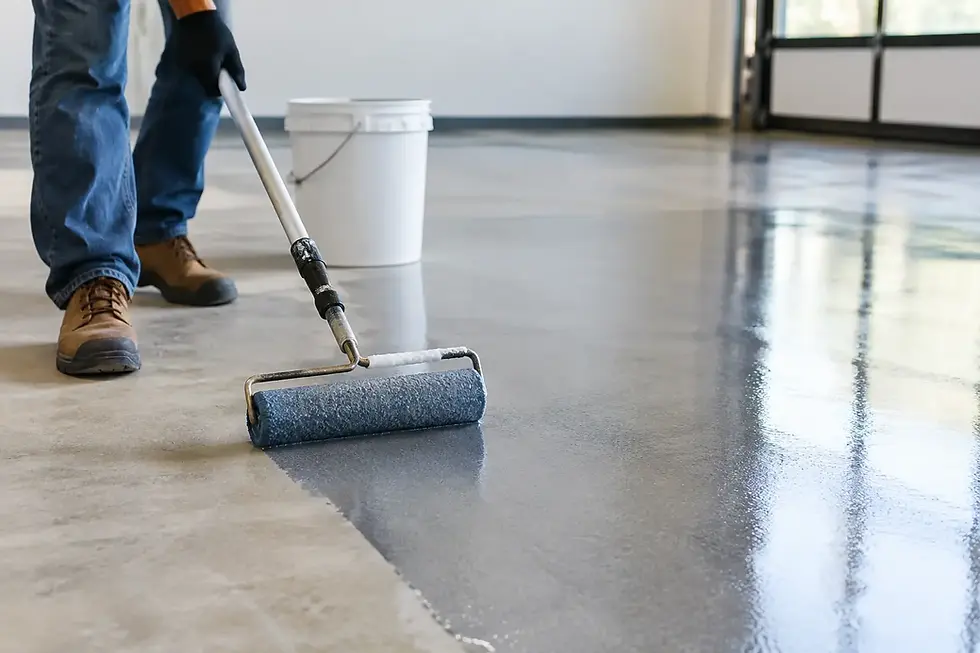
Epoxy flooring is a resin-based coating system applied directly over a properly prepared concrete slab. Once cured, it forms a hard, bonded surface. It is commonly used in garages, workshops, warehouses, showrooms, commercial kitchens and other areas where a tough, continuous floor is required.
Vinyl flooring is a manufactured product installed over a subfloor. It may come as sheet vinyl, vinyl planks or vinyl tiles. It is popular in living areas, kitchens, retail spaces, offices and rental properties because it offers a broad range of colours and timber or stone-look designs.
The key distinction is simple: epoxy becomes part of the prepared concrete surface, while vinyl is a separate flooring layer laid over the substrate. This affects everything from preparation and repair work to water resistance, comfort and long-term performance.
When epoxy is the stronger choice
Epoxy is generally the better option where the floor needs to handle hard use. A well-prepared epoxy system creates a continuous finish with no joins between planks or tiles. That makes it practical for spaces exposed to vehicle traffic, dropped tools, dirt, oil, cleaning chemicals or regular trolley movement.
For residential properties, garages are the most common example. Concrete often produces dust, absorbs spills and can be difficult to keep looking clean. An epoxy coating seals the surface and gives the space a finished appearance that is easier to sweep and mop. Decorative flake systems can also help disguise everyday dust and tyre marks while adding texture underfoot.
In commercial settings, epoxy suits areas where cleanliness and durability carry more weight than a domestic look. Workshops, storage areas, plant rooms and back-of-house spaces often benefit from a surface that is hard wearing and easy to maintain. The system can also be selected with slip-resistant additives where appropriate, rather than treating every floor as though it has the same safety requirements.
Epoxy does have limits. It is not a shortcut over damaged concrete. Cracks, weak patches, moisture issues and contaminants must be assessed and addressed first. Good preparation usually includes grinding the slab, repairing defects and cleaning the surface thoroughly so the coating can bond correctly. Skipping these steps can lead to peeling, bubbling or premature wear.
Curing time also matters. Depending on the product, temperature and coating system, the floor may need to remain out of service for several days. For a busy business or a household with limited access, that downtime needs to be planned properly.
The feel and appearance of epoxy
Epoxy has a clean, continuous look that works particularly well in practical spaces. Solid colours can make a garage or workshop feel brighter, while flake finishes offer more visual depth. It is not usually chosen to imitate natural timber. Its value is in a crisp, durable finish that suits the building's function.
Because coatings can become slippery when wet if the wrong finish is selected, the surface profile should match the area. A smooth showroom floor, for example, has different needs from a wet-entry work area. This is one reason a site inspection and clear discussion of use are worthwhile before selecting a system.
When vinyl makes more sense
Vinyl is often the practical choice where comfort, style flexibility and a faster interior update are priorities. It is softer and warmer underfoot than epoxy-coated concrete, which can make a noticeable difference in bedrooms, living spaces, offices and retail environments where people stand or walk for long periods.
Modern vinyl products can closely resemble timber, stone or concrete, often at a lower upfront cost than some natural materials. This gives homeowners and landlords a broad design range without the upkeep associated with timber floors in high-spill areas. Vinyl is also generally quieter underfoot, which can be useful in apartments and family homes.
For commercial property managers, vinyl can work well in offices, consultation rooms and customer-facing spaces where a polished, welcoming look is needed. Individual planks or tiles may also be easier to replace than a whole floor if a small area is damaged, provided matching stock is available.
That said, vinyl is not automatically suitable for every room. The subfloor still needs to be clean, dry, smooth and stable. Uneven concrete, protrusions or movement in the base can telegraph through the vinyl and affect the final appearance. Sheet vinyl has fewer joins than planks, but every installation type requires careful edge and seam detailing, particularly near moisture-prone areas.
Vinyl can handle ordinary household spills well when installed correctly, but it is not the first choice for heavy vehicle traffic, repeated chemical exposure or a workshop environment. Sharp objects, dragging heavy equipment and extreme point loads can tear, dent or separate the surface.
Cost is more than the supply price
Comparing only the price per square metre can be misleading. Epoxy may cost more initially because the slab preparation is a significant part of the job. Grinding, crack repairs, moisture checks and multiple coating layers all take time. Yet in the right setting, that investment can provide a long-lasting, hard-wearing floor and reduce the need for ongoing concrete repairs.
Vinyl can be more economical for an interior refresh, especially where the existing subfloor is already level and in sound condition. However, subfloor levelling, removal of old coverings, moisture treatment and furniture relocation can change the final cost. A low product price does not solve an uneven or damp base.
The best comparison is not epoxy against vinyl in isolation. It is the total cost of a suitable floor over the period you expect to use it. For a garage you intend to keep for years, an epoxy system may represent better value. For a rental unit needing an attractive, practical living-area floor, vinyl may be the more sensible spend.
Preparation decides the final result
Whether the floor is epoxy or vinyl, preparation is where quality is won or lost. A finish can only perform as well as the surface beneath it.
Concrete intended for epoxy needs to be structurally sound and properly profiled so the coating can grip. Oil contamination, old coatings and loose concrete need professional attention. Moisture is particularly relevant in Sydney properties, where slab conditions can vary considerably between older homes, garages and commercial buildings. If moisture pressure is not identified, it can affect the life of a coating.
Vinyl requires a smooth base with no loose material, obvious imperfections or moisture problems. Minor defects that would not be visible under carpet can show through a vinyl surface, especially in areas with direct light. Preparing the substrate carefully protects both the appearance and the manufacturer's intended performance.
For either option, reliable trades should explain what preparation is included in the quote. This gives property owners a clearer picture of the work involved and reduces the risk of unexpected variations once the old floor covering is removed.
Choosing the right floor for each area
Start with the day-to-day use of the room rather than the finish you have seen in a photo. Epoxy is usually the better fit for garages, workshops, storage rooms and commercial areas where durability, easy cleaning and resistance to heavy use are essential. Vinyl is often better for interior living areas, offices, retail spaces and rooms where warmth, comfort and decorative choice matter most.
There are also middle-ground situations. A home gym may suit epoxy if equipment is heavy and the concrete is in good condition, but vinyl may be preferable where comfort and noise reduction are the priority. A small retail space may benefit from vinyl in the customer area and epoxy in the storeroom. Matching the material to each zone often delivers a better result than forcing one product across the entire property.
A professional assessment should consider the existing substrate, moisture conditions, access, required downtime and cleaning routine, not just colour samples. At BaBa Painting Services, the focus is on clear advice, proper surface preparation and finishes that suit the job rather than a one-size-fits-all recommendation.
Before making a final selection, picture the floor after a busy week of use, not just on installation day. The right choice is the one that stays practical, presentable and easy to live with long after the work is complete.


Comments