

Clean Professional Painting Services That Last
A freshly painted room should feel finished, not like a clean-up job waiting to happen. Clean professional painting services are about more than even colour and straight lines. They protect your furniture, floors and fittings, manage dust and rubbish properly, and leave the property ready to use when the work is done.
For homeowners, landlords and commercial property managers, that standard matters. A painting project can disrupt daily life, tenants, customers or staff if it is poorly planned. The right contractor brings order to the job from the first inspection through to final touch-ups.
What clean professional painting services should include
A clean result starts well before the first coat goes on. Professional painters should inspect the condition of walls, ceilings, trims, roofs or external surfaces, identify repairs, and explain what preparation is needed. Painting over peeling coatings, cracks, water stains or damaged plaster may look acceptable for a short time, but it rarely delivers a lasting finish.
Preparation can include filling holes and cracks, sanding rough areas, treating mould where appropriate, patching damaged plaster, sealing stains and priming bare surfaces. The right approach depends on the material and its condition. Older timber, metal railings, rendered walls and previously painted plasterboard all need different products and preparation methods.
Protection is equally important. Floors, furniture, benchtops, windows and nearby landscaping should be covered or masked before work begins. In occupied homes and businesses, painters also need to keep walkways clear, contain dust where practical and avoid leaving tools or materials where they create a safety risk.
At the end of each workday, a well-managed site is left tidy. At completion, drop sheets, masking materials, paint tins and job-related rubbish should be removed, with the work area checked carefully for drips, overspray and missed details.
Preparation determines the quality of the finish
Paint is only as reliable as the surface underneath it. This is why a low quote can become expensive when it skips the work no one sees at first glance. A painter who rushes through cleaning, sanding and repairs may save time on day one, yet the finish can blister, crack, peel or show patchy sheen much sooner than expected.
Exterior painting makes this especially clear in Sydney conditions. Sun exposure, moisture, salt air in coastal areas and changing temperatures all place pressure on painted surfaces. Thorough washing, sound surface repairs and suitable primers help coatings adhere properly and hold their appearance for longer.
Interior areas need the same care, particularly kitchens, bathrooms, hallways and rental properties with heavy use. Grease, moisture and scuffing can affect how paint bonds and how easily it can be cleaned later. Premium paint systems can improve durability, but they cannot compensate for weak preparation.
There is a sensible balance to strike. Not every small mark requires a major repair, and not every property needs the highest-specification coating. A reliable painter explains the options clearly: what is necessary for a sound result, what is recommended for better longevity, and what can be adjusted to suit the budget.
The right product is part of the process
Colour selection often gets most of the attention, but paint type matters just as much. Low-sheen wall paints, hard-wearing trim enamels, roof coatings, exterior acrylics and specialised epoxy products are designed for different conditions. Using the wrong coating can lead to premature wear, difficult cleaning or an uneven appearance.
For commercial spaces, product choices may also need to account for foot traffic, operating hours, ventilation and safety requirements. Airless spray painting can be efficient for large surfaces, warehouses, roofs and vacant properties, but it requires careful masking and site control. Brush and roller work may be the better choice around occupied rooms, detailed trims and areas where overspray must be avoided.
A clean site protects more than appearances
Messy painting work is not simply frustrating. It can damage a property, interrupt operations and create avoidable safety issues. Paint splashes on tiles, glass, carpet or pavers can be difficult and costly to remove. Dust from sanding can affect nearby rooms, while poorly stored materials can obstruct access routes.
For a commercial property, these risks can affect staff and customers as well as the building itself. Work may need to be staged around business hours, delivered section by section, or completed after hours to reduce disruption. Clear communication before work starts helps everyone understand which areas will be affected, how long they will be unavailable and what access is required.
Licensed and insured painters provide further reassurance. They are expected to work with appropriate safety practices and understand the responsibilities that come with working in homes, strata properties, offices, retail spaces and active building sites. This is particularly valuable where ladders, elevated work, spray equipment or shared access areas are involved.
How to compare painting quotes fairly
The cheapest figure is not always the lowest overall cost. Two quotes can look similar while allowing for very different levels of preparation, paint quality and site care. Before choosing a painter, ask what is included rather than relying on a broad description such as ‘paint walls’.
A clear quotation should outline the surfaces to be painted, the preparation expected, the number of coats, the paint system, access considerations and any exclusions. If repairs are required, it should be clear whether they are included or priced separately. This protects both the property owner and the contractor from misunderstandings once the work is underway.
It is also reasonable to ask how the team will protect furnishings and floors, manage sanding dust, and remove rubbish. For exterior work, ask how weather delays will be handled. For commercial work, confirm whether the painter can work around trading hours, tenants or site-specific safety procedures.
BaBa Painting Services approaches quotations with these practical details in mind, so clients can make a decision based on scope, quality and timing rather than a vague price alone.
Questions worth asking before work begins
Good communication prevents most painting frustrations. Confirm the start date, expected duration, access arrangements and who will be the main point of contact. If you are arranging work at a rental property, clarify whether keys, tenant notice and furniture moving are required before the team arrives.
You should also discuss colour approvals before large areas are painted. Light changes throughout the day, and a shade that looks right on a small card can feel very different across an entire wall. Sample patches are often worthwhile, especially for feature walls, exteriors and commercial branding colours.
Finally, ask about the final inspection and after-care. Small touch-ups can sometimes be needed after masking is removed or furniture is returned. A professional team should be willing to inspect the completed work with you and address reasonable finishing details.
When painting work calls for more than paint
Some projects need broader property improvement work before a quality finish is possible. Damaged gyprock, loose trims, minor timber repairs, worn decking, cracked render or deteriorated caulking can all affect the result. Coordinating these tasks through one capable team can reduce delays and avoid the common problem of one trade waiting on another.
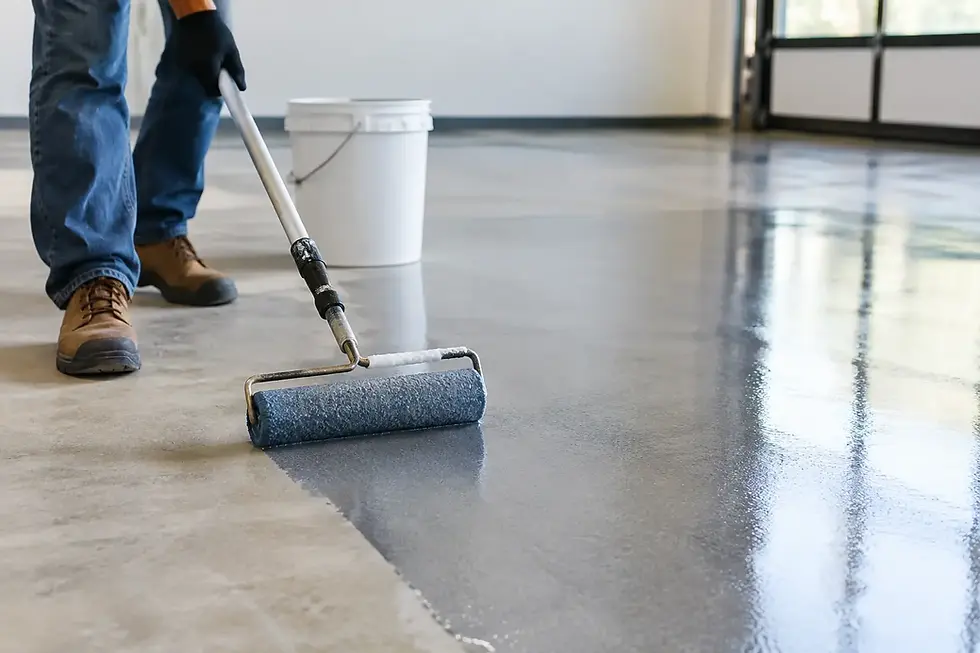
The same applies to epoxy flooring and special finishes. A garage, workshop, retail floor or utility area may need a durable surface that handles wear, spills and cleaning better than standard paint. Epoxy flooring is a practical option in the right setting, but success depends heavily on concrete preparation, moisture conditions and the intended use of the space. It is not a one-size-fits-all solution, which is why an honest site assessment matters.
A quality painting service is ultimately measured in the details people notice later: clean edges around fittings, smooth repaired walls, protected surfaces, a tidy site and coatings that continue to perform. Choose a team that treats preparation and clean-up as part of the workmanship, not as extras. That is how a painting project adds value without adding unnecessary stress.


Comments